.png)
The NHS Federated Data Platform (FDP) represents a transformational shift in how health data is aggregated, governed, and utilised across the NHS. For large, complex NHS Trusts, the national platform is a powerful foundation — and FDP+ is the capability layer that unlocks its full potential. FDP+ is not a generic support package. It is a structural enhancement built exclusively on the core FDP platform — delivering sophisticated data pipelines, semantic ontologies, privacy engineering, and clinical-grade assurance directly within Foundry. As the incumbent national provider for both NHS England's Privacy Enhancing Technology (PET) and FDP Solution Assurance, VE3 is not simply a vendor navigating the ecosystem. We are the architects and guardians of the very frameworks the FDP relies upon.

NHS Trusts operate multiple legacy EPR systems, Epic, Oracle Health, System C, InterSystems, alongside disparate data sources that make seamless integration complex. Alignment with FHIR, HL7, NHS Spine, and SNOMED CT standards demands specialist expertise.

Meeting the full landscape of GDPR, NHS DSPT, DTAC, and research governance requirements is non-negotiable when handling sensitive patient data. Privacy risks grow as data sharing and AI adoption scale.

FDP environments must remain performant, cost-efficient, and trusted over time. Trusts need ongoing assurance and engineering partnership, not one-off implementation support.
.png)
.png)
.png)
.png)
.png)
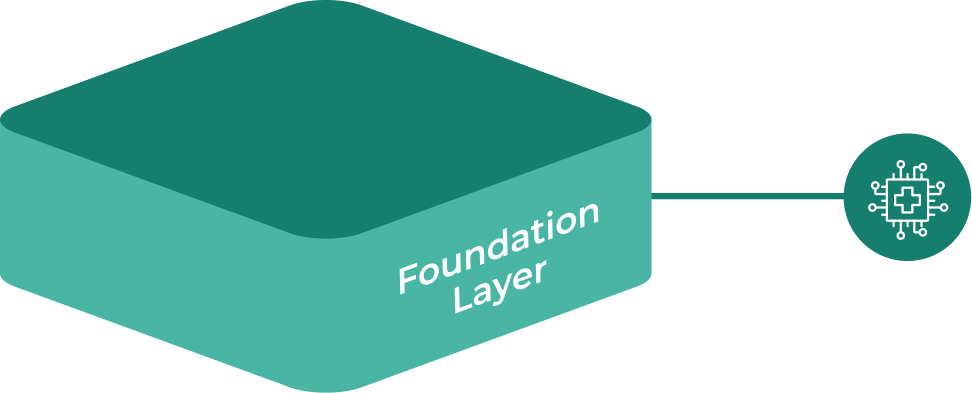
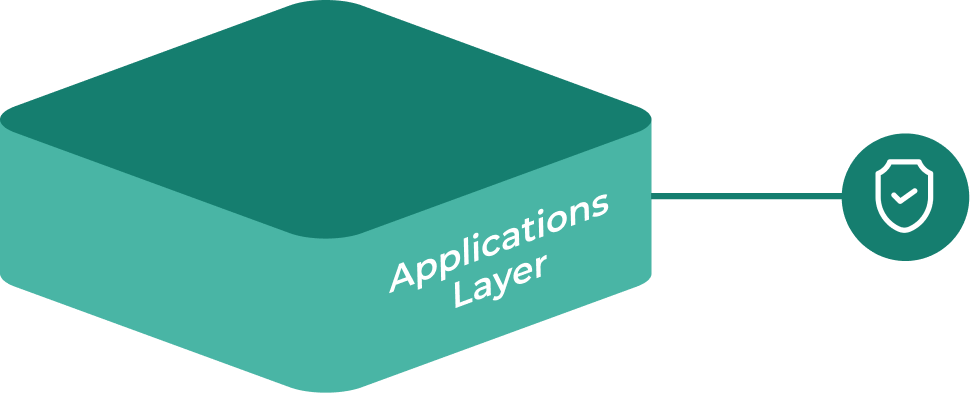
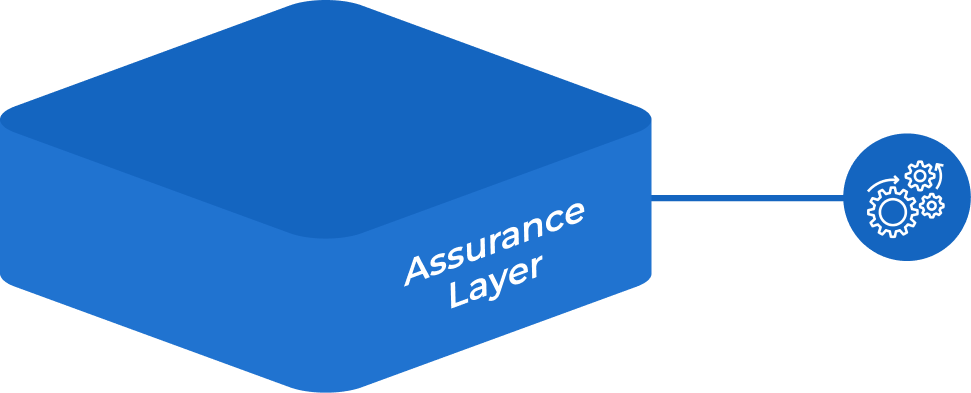
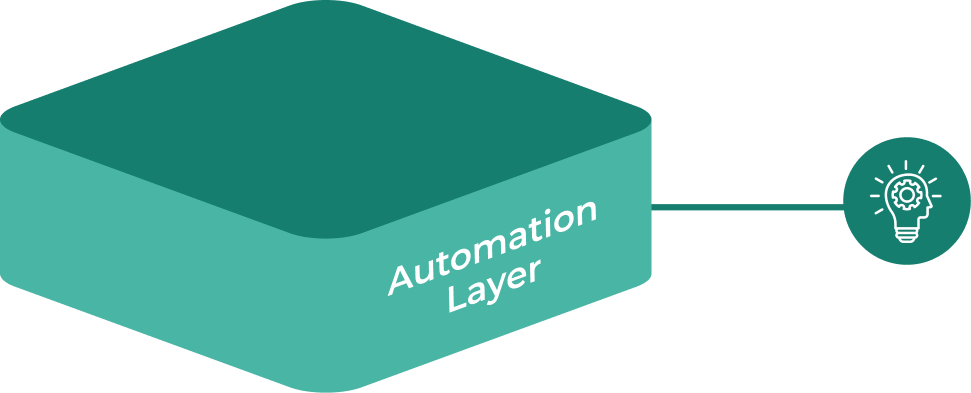
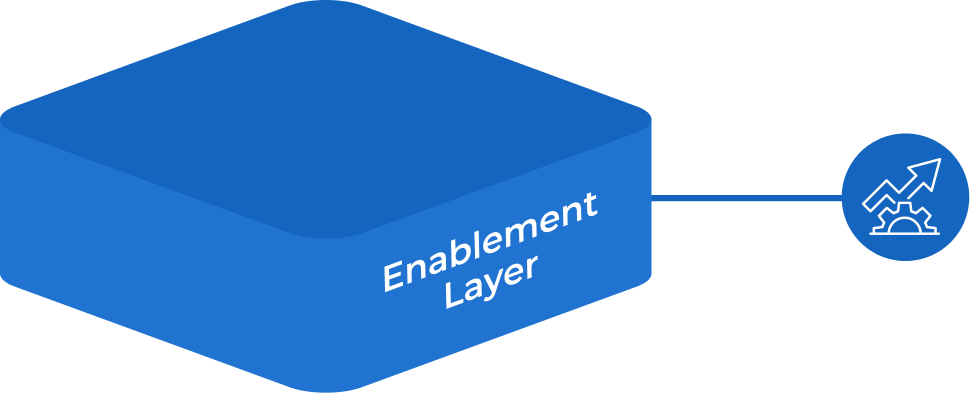
Our methodology is built on interconnected layers that together deliver a secure, scalable, and clinically robust FDP implementation, moving from ingestion to insight, and from enablement to assurance.
We work natively within Foundry Code Repositories — building sophisticated pipelines, not bolt-ons.
A disciplined domain modelling approach that prevents duplicate objects and ensures a single view of the patient.
A Data Twin must be interactive - not just a read-only reporting layer.
Structured governance to keep the Data Twin accurate, lean, and performant as the platform matures.
A deliberate Foundry + Azure model that maximises the strengths of both platforms.
As the national provider of NHS-PET, privacy is embedded into the pipeline - not applied as an afterthought.
Quality gates embedded directly into pipeline code - not monitored after the fact.
Built to grow your team's capability - not your dependency on us.
The same standard we apply to the national platform, brought to your local instance.
We work natively within Foundry Code Repositories — building sophisticated pipelines, not bolt-ons.
A disciplined domain modelling approach that prevents duplicate objects and ensures a single view of the patient.
A Data Twin must be interactive - not just a read-only reporting layer.
Structured governance to keep the Data Twin accurate, lean, and performant as the platform matures.
A deliberate Foundry + Azure model that maximises the strengths of both platforms.
As the national provider of NHS-PET, privacy is embedded into the pipeline - not applied as an afterthought.
Quality gates embedded directly into pipeline code - not monitored after the fact.
Built to grow your team's capability - not your dependency on us.
A deliberate Foundry + Azure model that maximises the strengths of both platforms.
We build around Core Objects - Patient, Staff Member, Location, Clinical Event - and Domain Objects linked to them. Our philosophy is "Extend, Don't Duplicate" - always interrogating the existing Ontology before building anything new.
A Data Twin must be interactive, not just reportable. Clinical users act on data directly - flagging a waiting list entry as "Expedite" automatically alerts the scheduling team and writes an immutable audit log. Edits reflect instantly via Phonograph Sync.

Consistent, format-preserving tokens allow longitudinal patient
analysis without revealing identity

Irreversible identifiers for strictly one-way data flows

NLP scanning of free-text fields to identify and automatically redact
names, NHS numbers, and addresses during ingestion - unlocking
the value of clinical notes safely

Dataset-level markings (e.g., TRUST-PII-SENSITIVE, TRUST-RESEARCH-OPEN) ensuring users only access data they are entitled to

Granular access control within datasets - research users see only
consented rows; direct care users see all
Pod-Based Co-Development Model We deploy dedicated multidisciplinary pods - Foundry Solution Architect, Foundry Engineers, Clinical Data Architect, embedded Trust counterparts - working directly alongside your teams. Knowledge transfer is embedded into delivery KPIs, ensuring your teams progressively assume ownership.
Bespoke Training Academies From Data Literacy 101 for administrative staff to advanced Foundry engineering workshops for informatics teams - tailored to every user group.
Innovation Sandbox Controlled environments for safely piloting AI models, digital twin simulations, and emerging technologies before live deployment.



Risk stratification algorithms run on clinical notes - with Leaky PID protection ensuring no privacy risk - producing a prioritised, validated waitlist that improves safety and RTT performance.
.jpg)
Digital twin simulations of hospital flow allow analysts to model scenarios (e.g., "What if flu admissions rise by 20%?") - turning bed management from reactive to proactive and reducing corridor care.

Multi-disciplinary teams across acute, community, and social care work from a shared Discharge View dashboard with embedded collaboration tools, reducing Delayed Transfers of Care.

We hold the £20M contract for NHS FDP Solution Assurance. We test the national platform. We know where the risks are and how to mitigate them for your Trust.

We hold the £28M contract for NHS-PET. The privacy engine protecting patient data in the FDP is our technology. No other vendor can offer this level of native integration.

Our work with Cambridge & Peterborough ICB on their Data & Digital Roadmap demonstrates our ability to translate national tools into regional strategy - precision public health, demand modelling, and high-impact use cases.

We operate as an embedded co-development partner focused on building your capability, not your dependency.

Waiting list management is one of the most significant operational and clinical challenges facing acute NHS Trusts today. The pressure to reduce waiting times is relentless — but acting on waiting list data without first validating its accuracy can be just as harmful as not acting at all. Patients incorrectly recorded as waiting, duplicated pathways, and missing clinical context all distort prioritisation decisions and put patient safety at risk.

Winter pressures represent one of the most predictable and yet consistently damaging challenges in acute NHS operations. Every year, Trusts face surging demand, constrained bed capacity, and escalating ambulance handover delays — and every year, the response is largely reactive. Not because operational teams lack the will to plan ahead, but because the modelling capability required to produce genuinely useful forecasts has historically been out of reach.
Stay current with the strategies, trends, and technologies defining the next era of digital excellence


.png)








.jpg)